-
Drink water first thing in the morning! Proper hydration prevents constipation.

Staying hydrated is crucial for resolving the problem of hard, lumpy stools. Dehydration can easily lead to hardened stools and worsen constipation, so be careful. Drinking a glass of water upon waking is recommended, as it stimulates the digestive system and improves bowel movements.
The Ministry of Health, Labour and Welfare's "Drink Water for Your Health" campaign recommends consuming 1.2 liters of water per day from drinking water. To prevent health problems and accidents caused by dehydration, it is recommended to hydrate before going to bed, upon waking up, and before and after bathing. Drink water frequently to prevent hard, lumpy stools.
"Drink Water for Your Health" Promotion Campaign | Ministry of Health, Labour and Welfare
-
Avoid excessive caffeine and alcohol intake.
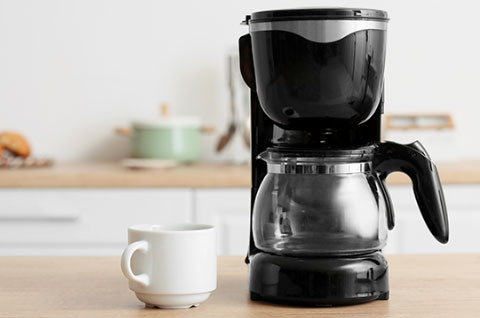
While you should actively drink fluids to prevent hard, lumpy stools, it's recommended to limit your intake of caffeine and alcoholic beverages. This is because caffeine and alcohol have a diuretic effect, and excessive consumption can increase urine output.
Increased urine output can lead to dehydration, and water is more easily lost from the stool in the large intestine. Therefore, when consuming caffeine or alcohol, it's a good idea to consciously replenish fluids with caffeine-free and alcohol-free beverages as well.
-
Don't ignore the urge to go to the toilet! Make it a habit to go to the toilet in the morning.
Going to the toilet without holding it in when you feel the urge to defecate can also be a way to alleviate hard, lumpy stools. In particular, after breakfast, the large intestine becomes more active due to the stimulation of food entering the stomach, making you more likely to feel the urge to defecate.
If you suppress your urge to defecate due to reasons such as being too busy to find the time, your defecation reflex will weaken, making it harder to feel the urge to defecate and potentially leading to constipation. Be careful about this. Also, even if you don't feel the urge, setting aside time each day to sit on the toilet for a while can help establish a regular bowel movement rhythm and is effective.
-
Get plenty of dietary fiber in your daily meals.
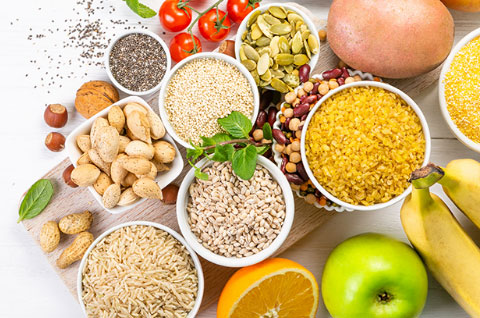
If you're having trouble having a bowel movement, check your diet to see if you're lacking in dietary fiber. Dietary fiber is a food component that reaches the large intestine without being digested or absorbed, and is effective in preventing constipation.
Dietary fiber is classified into two types: soluble and insoluble. Soluble dietary fiber, which is abundant in konjac, seaweed, and barley, helps to soften stools.
On the other hand, insoluble dietary fiber is said to stimulate the large intestine and promote bowel movements, and is abundant in burdock root and wheat bran. In spastic constipation, which is one of the causes of hard, lumpy stools, consuming too much insoluble dietary fiber can sometimes irritate the stomach too much, so it is a good idea to consciously consume soluble dietary fiber.
-
Eat three balanced meals a day.

Eating three proper meals a day, without skipping breakfast, is a fundamental way to improve constipation. If you're not passing enough stool, you might be eating too little.
Stool is the residue left after absorbing nutrients and water from food, so if you eat less to begin with, the volume of your stool will decrease.
Furthermore, insufficient intake of dietary fiber and fluids from food can worsen constipation. Eating three balanced meals in appropriate amounts each day is effective in improving bowel movements.
-
Let's eat foods containing lactic acid bacteria and bifidobacteria.
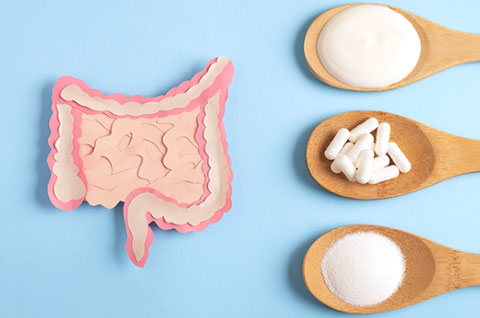
Beneficial bacteria such as lactic acid bacteria and bifidobacteria play an important role in maintaining gut health by improving the intestinal environment. People who have poor bowel movements and only pass hard, lumpy stools should increase their opportunities to consume beneficial bacteria through their diet.
Human gut bacteria are broadly classified into three types: beneficial bacteria, harmful bacteria, and neutral bacteria. In a healthy gut, beneficial bacteria are dominant. On the other hand, people who are prone to constipation or who lead irregular lifestyles are said to have a higher proportion of harmful bacteria.
Beneficial bacteria are abundant in yogurt, lactic acid bacteria drinks, and fermented foods, so make a conscious effort to eat them to improve your gut environment.
-
Support your gut bacteria by taking oligosaccharides!
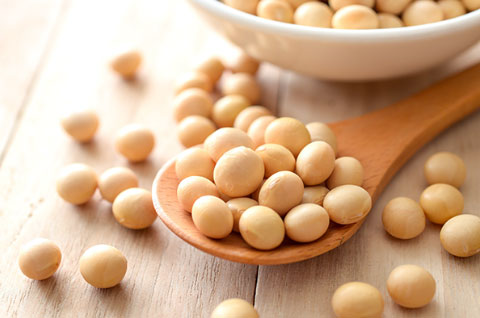
One way to increase beneficial bacteria in the large intestine is to consume oligosaccharides. Oligosaccharides are said to act as food for beneficial bacteria in the large intestine, thus increasing their numbers. They are abundant in soybeans, onions, and bananas, so those who are concerned about hard, lumpy stools should actively incorporate them into their diet.
Additionally, there are foods for specified health uses that contain oligosaccharides, making them easy to incorporate into your diet. However, consuming large amounts may cause loose stools, so it's important to stick to the recommended daily intake.
-
Make exercise a habit to improve bowel function.

Exercise is also important for improving constipation and hard, lumpy stools. Regular exercise helps regulate the balance of the autonomic nervous system, which can support proper peristalsis in the large intestine.
Furthermore, consistent exercise strengthens your abdominal muscles, allowing you to apply sufficient abdominal pressure to push out stool during bowel movements. If you're aiming for regular bowel movements, try incorporating exercise into your routine.
-
Massage your stomach to help with bowel movements!

If you're struggling with hard, lumpy stools, incorporating abdominal massage into your daily routine is a good idea. The key is to gently stimulate your abdomen with light, stroking motions.
Placing both hands on your stomach and stroking in a clockwise direction, as if drawing the Japanese character "no," is recommended because it massages along the flow of the large intestine.
-
Let's relieve stress and regulate our autonomic nervous system.

To improve hard, lumpy stools, consider whether you're experiencing excessive stress or fatigue. The autonomic nervous system consists of the sympathetic nervous system, which is dominant during activity, and the parasympathetic nervous system, which is dominant during rest. These two systems work together to regulate bodily functions.
However, stress can disrupt the balance of the autonomic nervous system, which may affect the function of the large intestine.
Furthermore, the peristaltic movement of the large intestine is mainly regulated by the parasympathetic nervous system, and when you are stressed and tense, the function of the parasympathetic nervous system weakens, which can lead to constipation. Therefore, regulating the autonomic nervous system and effectively relieving stress is one way to deal with hard, lumpy stools.
To live a less stressful life