-
Make it a habit to drink water upon waking and to take in fluids frequently throughout the day.

For people suffering from persistent constipation, staying hydrated is a crucial way to relieve it. When the body is dehydrated, the stool loses more water, resulting in hard stools. Therefore, be sure to drink fluids to prevent dehydration, especially upon waking, before going to bed, and before and after bathing.
In particular, drinking water upon waking stimulates the stomach. This triggers a reaction called the "gastrocolic reflex," which is expected to activate peristalsis in the large intestine and improve bowel movements.
If you're struggling with persistent hard, lumpy stools, make sure to drink plenty of water upon waking and to stay hydrated throughout the day.
-
Eat three proper meals a day.

For those suffering from persistent constipation, one way to alleviate it is to eat a proper breakfast even on busy mornings and to aim for three balanced meals a day. Be careful not to reduce your food intake too much due to dieting, as this can reduce the volume of your stool and prevent you from having a sufficient bowel movement.
Furthermore, dietary fiber and water contained in food are essential elements for relieving constipation. Dietary fiber softens stool and increases its volume in the large intestine, leading to smoother bowel movements. In addition, since food contains water, meals also play a role in hydration.
-
It works on the intestinal environment with bifidobacteria, lactic acid bacteria, oligosaccharides, etc.

For those experiencing persistent hard, lumpy stools, it is recommended to consume foods containing bifidobacteria and lactic acid bacteria. These beneficial bacteria help improve the intestinal environment and can be obtained through yogurt or fermented milk drinks.
Oligosaccharides are carbohydrates that serve as a nutrient source for beneficial bacteria in the large intestine, promoting an increase in beneficial bacteria and improving bowel function. Therefore, incorporating beneficial bacteria and oligosaccharides into your daily diet can be considered a way to alleviate hard, lumpy stools.
-
Eat foods rich in water-soluble dietary fiber.
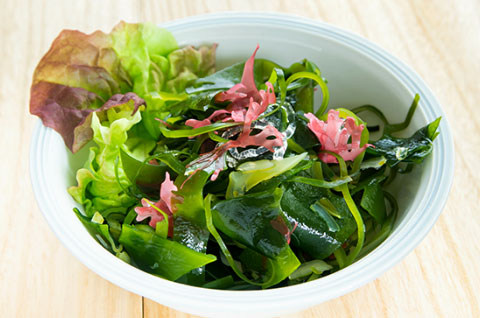
It is said that modern people, both adults and children, are deficient in dietary fiber. For those who suffer from persistent constipation, consuming dietary fiber is important for relieving it. There are two main types of dietary fiber: insoluble and soluble. If you have persistent stools that resemble rabbit droppings, you should consciously increase your intake of soluble dietary fiber.
Insoluble fiber increases stool volume and stimulates the large intestine, while soluble fiber softens the stool. However, for people who experience persistent hard, lumpy stools, insoluble fiber may overstimulate the large intestine, so be careful not to consume too much. Ideally, you should consume foods rich in soluble fiber, such as seaweed and grains.
-
Relax your mind and body as a way to manage stress.

If you're experiencing persistent hard, lumpy stools, check if you're accumulating stress. Stress and mental tension can disrupt the balance of the autonomic nervous system, potentially impairing the function of the large intestine.
When you experience stress and your sympathetic nervous system becomes tense, the movement of the large intestine weakens. As a result, peristalsis is suppressed, making it easier for stool to stagnate in the large intestine, and potentially causing the stool to lose moisture and become hard and lumpy.
It's also said that diarrhea-predominant irritable bowel syndrome, which is more common in men, can worsen due to stress. Avoiding stress and relaxing your mind and body is one way to alleviate hard stools.
-
Review your lifestyle

Addressing sleep deprivation and lack of exercise is another way to deal with hard, lumpy stools. During sleep, the parasympathetic nervous system is dominant, stimulating peristalsis in the large intestine. Therefore, getting enough sleep improves bowel function and leads to smoother bowel movements.
Furthermore, regular exercise helps regulate the balance of the autonomic nervous system and strengthens the abdominal muscles. Weak abdominal muscles can prevent you from applying sufficient abdominal pressure during bowel movements, leading to constipation, so be mindful of this. For those who experience persistent constipation or hard, lumpy stools, incorporating exercise into your routine is highly recommended.
-
Learn to use laxatives effectively.

If, even after incorporating the lifestyle changes we've discussed, you still experience persistent hard, pellet-like stools that resemble rabbit droppings, then trying a laxative might be an option. Use it wisely and according to your physical condition.
For example, women are prone to constipation before their periods, and many experience abdominal pain and discomfort during bowel movements. If you tend to be constipated, you might want to try over-the-counter laxatives, following the instructions for use and dosage.
However, there are various types of laxatives, and using one that doesn't suit your condition can worsen your symptoms. If you experience hard, lumpy stools for several months, it's recommended to consult a medical professional.
-
Consult a medical institution.

If you continue to experience hard, lumpy stools after trying the methods described above, the most effective course of action is to consult a medical professional. At a medical institution, the cause of the hard, lumpy stools will be investigated through a medical interview, blood tests, stool tests, and, if necessary, colonoscopy.
You can rest assured that doctors will prescribe medication for irritable bowel syndrome tailored to each patient's symptoms. They will also consider factors such as abdominal pain and diarrhea when prescribing medication, so if you have persistent hard, lumpy stools, please consult a gastroenterologist.