<Things you should know> Correct knowledge about "Keratosis pilaris" (2) Explanation of how to treat keratosis pilaris and other skin conditions that are easily confused with it
Keratosis pilaris, which typically appears on the upper arms and thighs from around the time children start elementary school through puberty, is not an uncommon condition and generally does not require treatment. However, many people are still concerned about its appearance.
Here, under the supervision of a dermatologist, we will introduce methods to alleviate the symptoms of keratosis pilaris. Furthermore, we will also explain skin conditions that are often mistaken for keratosis pilaris.
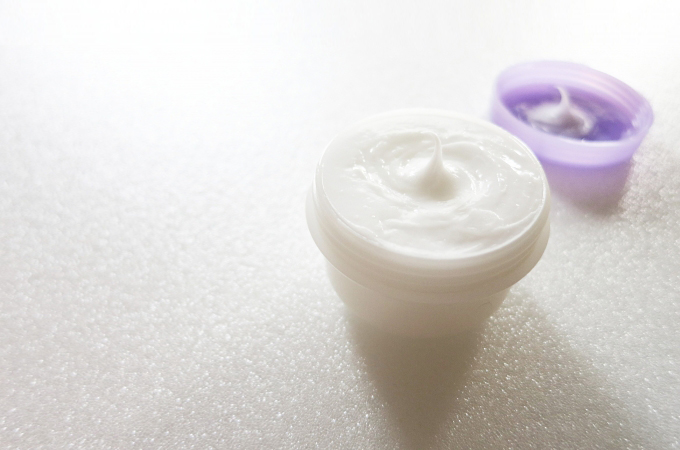
How to deal with keratosis pilaris
Keratosis pilaris is a skin condition that affects about 30-40% of teenagers. It's not a rare disease, and it doesn't necessarily require special treatment. However, many people are concerned about its appearance.
To alleviate the symptoms of keratosis pilaris, the following topical medications are considered effective:
- Salicylic acid petrolatum
- Vitamin A ointment
- urea ointment
- Vitamin D3 ointment
- Steroid ointment
Also, avoid trying to squeeze out blackheads or irritating the skin with a razor, as this may leave scars.
How to distinguish between keratosis pilaris and similar skin conditions
There are several skin conditions that have symptoms similar to keratosis pilaris. While keratosis pilaris itself does not require treatment, mistaking it for another condition that does require treatment can lead to delayed treatment and worsening of symptoms. To prevent such situations, this article will examine conditions that cause symptoms similar to keratosis pilaris.
-
acne
Acne, like keratosis pilaris, involves rashes in the hair follicles. However, while keratosis pilaris is caused by keratinization of the hair follicles, acne is caused by clogged pores due to sebum buildup. The sebum provides nutrients for bacteria, eventually leading to inflammation and red rashes. In severe cases, pus accumulates in the pores.
Acne is similar to keratosis pilaris in that it tends to occur during puberty and in one's 20s when sebum secretion is active, and the rash is red, but the nature of the rash is different. Keratosis pilaris is a dry rash with a rough texture, while acne has sebum in the rash and can be painful to the touch.
Additionally, keratosis pilaris is characterized by numerous rashes, which can be another distinguishing feature.
-
Photosensitivity
This condition involves chromophores, substances absorbed into the skin from cosmetics, medications, or food, reacting to ultraviolet light, causing rashes, swelling, blisters, and erosions on the skin. While severe cases are unlikely to be mistaken for keratosis pilaris, milder allergic reactions can result in similar rashes.
However, a characteristic of photosensitivity rashes is that they occur every year in spring and summer when ultraviolet radiation is strongest. Keratosis pilaris, on the other hand, does not change in skin condition depending on the season.
-
Malassezia folliculitis
This is a common skin condition that occurs on the backs of adolescent boys and girls, characterized by numerous small, reddish rashes (2-3 mm in size). It is caused by an overgrowth of Malassezia, a type of fungus normally found on the skin, and can be mistaken for keratosis pilaris because it enlarges pores and causes comedones (blackheads and whiteheads).
However, Malassezia folliculitis often develops in the spring and summer. Whether or not it develops during a specific time of year is a key point in distinguishing it from keratosis pilaris.
-
pigmentation
Pigmentation is a general term for the accumulation of melanin pigment in the epidermis of the skin, which can cause blemishes, freckles, and other skin imperfections. While keratosis pilaris can also cause pigmentation, it is relatively easy to distinguish from typical pigmentation because it does not involve a rash.

Frequently Asked Questions (Q&A) about Keratosis Pilaris
From here, we will answer some frequently asked questions about keratosis pilaris in a Q&A format.
-
Are there any treatments for keratosis pilaris other than using topical medications?
In cosmetic dermatology clinics, treatments other than topical medications are also offered. For example, chemical peels involve applying a special acidic agent to the affected area to remove blackheads. While this can temporarily improve rashes and redness, regular treatments are necessary to maintain the effects. There also appear to be treatments that use lasers or derma stamps to activate the skin's regenerative abilities.
-
Are body scrubs effective in preventing keratosis pilaris?
Body scrubs are not effective in preventing keratosis pilaris. In fact, excessive irritation can worsen symptoms and cause inflammation and hyperpigmentation. Avoid using body scrubs excessively, as well as scratching or shaving the affected area, which can cause strong irritation.
-
Is it true that moisturizing is important for improving keratosis pilaris?
Keratosis pilaris is said to worsen with dryness. In other words, moisturizing is effective not so much for improving the symptoms, but to prevent them from getting worse.
Supervised by: Dr. Tomoko Fujimoto, Director of Ikebukuro Nishiguchi Fukuro Dermatology Clinic
After graduating from the Faculty of Medicine, Hamamatsu University School of Medicine, he joined the Department of Dermatology at Tokyo Medical and Dental University. Subsequently, he served as an assistant professor at the same university, and as chief of dermatology at Tama Southern Regional Hospital and Tokyo Metropolitan Otsuka Hospital before opening Ikebukuro Nishiguchi Fukuro Dermatology Clinic. He is a certified dermatologist by the Japanese Dermatological Association.